Moving House on Marylebone High Street: A Local Removals Guide
Posted on 27/04/2026
Marylebone High Street is one of those London streets where moving day rewards good planning. Between busy pedestrian flow, narrow access points, resident parking pressure, and the realities of apartment living, a smooth move here depends on more than just hiring a van. This guide to Moving House on Marylebone High Street: A Local Removals Guide walks you through what matters, how local removals actually work, and how to avoid the kind of small mistakes that can turn a tidy move into a long day of delays.
Whether you are leaving a period flat, arriving with furniture that has to be carried carefully through shared hallways, or simply trying to coordinate a move around work and family life, the right approach makes a genuine difference. You will find practical advice, a clear step-by-step process, a comparison of moving options, and a checklist you can use before moving day. If you want a deeper view of local life while planning your move, you may also find our local guide to living in Marylebone useful.

Why Moving House on Marylebone High Street Matters
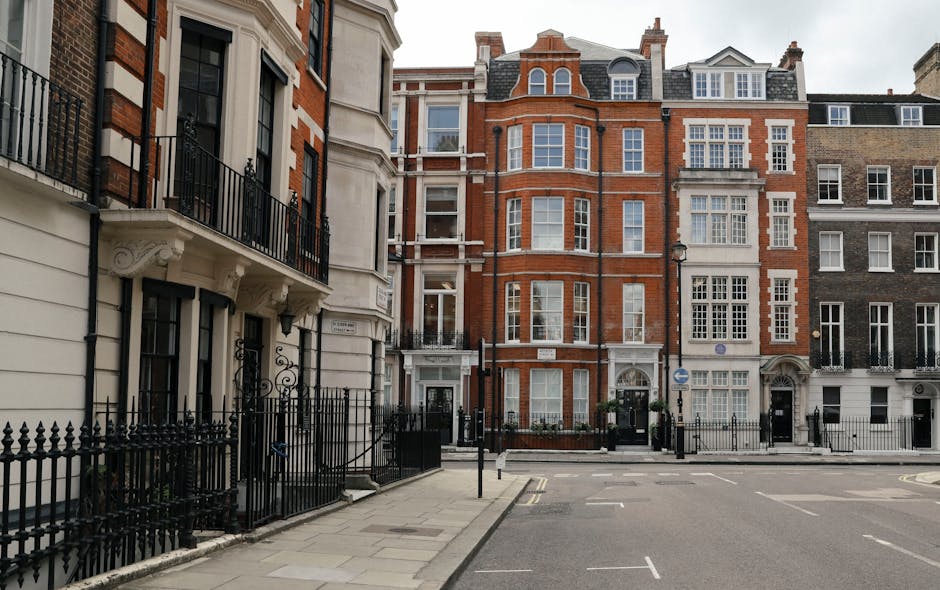
Moving on Marylebone High Street is not the same as moving from a suburban cul-de-sac. The street has its own rhythm: foot traffic is steady, loading space can be limited, and nearby homes often sit in older buildings with stairs, tight entrances, and protected finishes that need careful handling. That means a removal plan here has to be local, not generic.
This matters because the details shape the whole day. A van that is too large for the access route can waste time. A delayed key handover can leave boxes in the hallway. Shared entrances and quieter residential blocks can also create friction if neighbours are not given enough notice. In other words, the move itself is simple in theory, but the surroundings make execution more sensitive.
There is also a practical cost angle. The more precisely your removal team understands the route, the property type, and the timing constraints, the less likely you are to pay for avoidable waiting time or extra trips. That is why local experience counts. A good team will not just turn up with a vehicle; they will arrive with a plan.
If you are comparing providers, it is worth browsing the broader services overview and seeing how the removal services in Marylebone align with your property, volume of belongings, and timing.
How Moving House on Marylebone High Street Works
A local removals job usually follows a straightforward sequence, but each stage needs attention. First, you identify what is being moved and from where. Then you decide whether you need a full house move, a flat move, a small man and van service, packing support, storage, or something more specialist such as furniture or piano transport.
Once that is clear, the removal company should assess access. On Marylebone High Street, that can include stair width, lift availability, street loading options, and how close the vehicle can safely get to the entrance. A proper quote should reflect those practical realities rather than giving you a one-size-fits-all number.
On moving day, the sequence is usually:
- Arrival and quick review of the property layout.
- Protection for floors, doors, and fragile items where needed.
- Loading in a sensible order, with priority for bulky or delicate items.
- Transport to the new address, often with local route planning to avoid delays.
- Unloading and placement of boxes and furniture in the correct rooms.
That process sounds basic, but it is where experience shows. For example, a team used to flat removals in Marylebone will often know how to work efficiently in shared buildings without blocking corridors or creating unnecessary back-and-forth.
For smaller jobs or single-furniture moves, a man with a van service can be the best fit. For larger household moves, a fuller house removals Marylebone service is usually the better choice, especially if you want packing help and a more structured moving schedule.
Key Benefits and Practical Advantages
Choosing a local removals provider for Marylebone High Street has benefits that go beyond convenience. The biggest advantage is familiarity. Local movers understand the pace of the area, typical building layouts, and the kinds of access issues that often appear without warning.
Here are the main practical benefits:
- Better timing: local teams are often quicker to plan realistic arrival and unloading windows.
- Less risk of damage: experience with stairs, tight corners, and shared entrances helps protect furniture and property.
- Clearer pricing: accurate local assessments reduce the chance of surprise extras.
- More suitable vehicle choice: the right van size can save time and avoid access problems.
- Less stress: a team that already knows the area typically needs less hand-holding.
There is also peace of mind in knowing you are not trying to improvise on the day. If your move involves a particular item or a complicated access route, services such as furniture removals, piano removals, or storage in Marylebone can be built into the plan rather than added as an afterthought.
Expert summary: the best move on Marylebone High Street is usually not the cheapest quote on paper, but the one that most accurately matches access, volume, and timing. That is where the real value sits.
Who This Is For and When It Makes Sense
This guide is relevant to a wide range of movers, but it is especially useful if you are dealing with one of the following situations.
- Flat owners or tenants moving in or out of a period building with stairs or limited lift access.
- Families relocating nearby and trying to keep the day organised around school runs or work schedules.
- Professionals who need a carefully timed move with minimal disruption.
- Students or short-term tenants who need a simpler, quicker move and may benefit from student removals in Marylebone.
- Anyone with a tight deadline who may need same-day removals in Marylebone.
It also makes sense if you are downsizing, combining households, moving between nearby streets, or taking time between tenancies and need temporary storage. In Marylebone, local moves are often short in distance but high in complexity. That is a subtle difference, but an important one.
If your move is tied to a sale, you may also want to read selling strategies for Marylebone homes, since timing the marketing and moving stages well can reduce last-minute pressure.
Step-by-Step Guidance
A calm move starts with a sequence, not a scramble. Here is a practical approach that works well for Marylebone High Street and similar central London locations.
1. Confirm what is moving
Make a list of the rooms, furniture, and boxes that actually need to go. It sounds obvious, but many delays begin with vague estimates. A wardrobe, a large mirror, and a piano are very different items in terms of handling and vehicle space.
2. Check access at both addresses
Measure doors, note stairs, ask about lifts, and confirm whether a loading bay or temporary parking arrangement is needed. If the building has a concierge or managing agent, ask about moving rules before the day itself. A five-minute conversation now can save a frustrating twenty-minute wait later.
3. Choose the right service level
For a compact flat or a short move, a man and van Marylebone option may be enough. For larger or more delicate moves, a fuller removal package may be more appropriate. If you need a specific vehicle size, a removal van in Marylebone gives you a clearer idea of capacity.
4. Pack with the destination in mind
Label boxes by room, then by priority. For example, keep kettle, mugs, chargers, basic bedding, and toiletries easy to reach. The first evening in a new home is easier when the essentials are not buried under books and winter coats.
If you want support here, see packing and boxes in Marylebone for the kind of help that can save a lot of time.
5. Build in a sensible time buffer
Moving on a central street can take longer than expected even when everything is well organised. Lift delays, pedestrian activity, and traffic conditions can all affect timing. A buffer is not pessimism; it is realism.
6. Confirm the booking details
Before move day, make sure you understand the time window, the number of movers, the estimated duration, the payment method, and any conditions that apply. If you want to compare quote structures, the man with van rates page is a useful place to understand how pricing is usually presented.
7. Prepare the handover
Have keys ready, keep valuables and documents separate, and make sure you can direct the movers quickly. If you are leaving a property behind, a final sweep of cupboards and storage spaces prevents the common "we left the router in the hall cupboard" moment. It happens more often than people admit.
Expert Tips for Better Results
Good removals work is usually about small decisions rather than one big move. The tips below are simple, but they are the ones that most often make the day smoother.
- Use fewer, stronger boxes. Overfilled boxes slow everything down and are more likely to split.
- Keep one essentials bag separate. Include medication, phone chargers, documents, snacks, and a change of clothes.
- Photograph cable setups before disassembly. This avoids a frustrating rewire later.
- Disassemble only what truly needs it. Some furniture is safer moved whole if access allows.
- Protect fragile items properly. Towels and blankets help, but they are not a substitute for proper wrapping on delicate pieces.
- Ask about insurance and handling standards. If something matters to you, it is worth asking how it will be protected.
One useful local insight: in Marylebone, short transport distances can make people underestimate the preparation required. Yet most of the stress comes before and after the drive, not during it. Organising the property, the boxes, and the handover is where you win back time.
For people who want a broader choice of moving support, the removal companies in Marylebone page is a good place to compare service approaches, while the services we provide page gives a wider view of what can be arranged.
Common Mistakes to Avoid
Most moving-day problems are predictable. The good news is that they are also avoidable.
- Booking too late: especially risky if you need a weekend slot or month-end timing.
- Underestimating volume: "A few boxes" becomes far more once cupboards and wardrobes are opened.
- Ignoring access constraints: a beautiful building does not always make an easy move.
- Not checking restrictions: some properties have rules about loading, lift use, or moving hours.
- Mixing essentials with everything else: it slows settling in and adds avoidable stress.
- Choosing on price alone: cheap can become expensive if the quote was not realistic.
Another common issue is assuming storage is only for long-term needs. In practice, a short-term gap between properties is one of the most common reasons people use storage in Marylebone. It is often the calmer option when completion dates shift.
Tools, Resources and Recommendations
You do not need a warehouse of equipment to move well, but the right basics help enormously. Here are the most useful items and resources to consider.
| Tool or Resource | Why It Helps | Best Used For |
|---|---|---|
| Strong moving boxes | Protects contents and stacks neatly | Books, kitchenware, clothing, household items |
| Labels and marker pens | Makes unloading faster and more organised | Room-by-room sorting |
| Furniture covers or blankets | Reduces scuffs and scratches | Sofas, tables, wardrobes, mirrors |
| Trolley or sack truck | Helps move heavier items more safely | White goods, heavy boxes, awkward loads |
| Short-term storage | Gives flexibility if dates do not align | Moves with gaps between handover and completion |
For a lot of people, the most useful resource is not an object at all but a clear quote. Use the pricing and quotes page to understand what information should be ready before you ask for a price. If the move is small and straightforward, the man and a van Marylebone option is often the most efficient route.
And if you care about how the business handles broader responsibilities, it is worth reviewing the company's insurance and safety information as well as the recycling and sustainability page. Those details are not glamorous, but they do say a lot about how a service is run.
Law, Compliance, Standards, or Best Practice
A home move is not usually a heavily regulated event for the customer, but good practice still matters. If you are moving in central London, common-sense compliance can be just as important as the route itself.
For example, you should always respect building rules, loading restrictions, and parking arrangements. If your property management company requires advance notice, give it. If a lift has booking conditions, follow them. If a mover asks for accurate access information, answer carefully rather than guessing. These are small steps, but they help prevent disruption for you and other residents.
It is also sensible to check the removal company's own policies. A trustworthy provider should be able to explain how it handles safety, complaints, payment security, and customer data. Supporting pages such as health and safety policy, payment and security, complaints procedure, and privacy policy help build that trust.
If you are reviewing terms before booking, the terms and conditions page can also help clarify what is included. And if you need to reach the team directly with a specific moving question, the contact page is the most direct next step.
Options, Methods, or Comparison Table
Not every move on Marylebone High Street needs the same service level. The right option depends on how much you are moving, how much help you want, and how tight the building access is.
| Option | Best For | Strengths | Trade-Offs |
|---|---|---|---|
| Man and van | Small to medium local moves | Flexible, efficient, usually cost-effective | Less suitable for very large household moves |
| Full house removals | Entire homes, family moves, more furniture | More support, better for complex loads | Usually requires more planning |
| Specialist item removals | Pianos, large furniture, fragile items | Better handling for valuable or awkward items | May need more preparation and custom equipment |
| Storage plus removals | Gap between move-out and move-in | Reduces pressure when dates are uncertain | Extra step and possible added cost |
For many Marylebone High Street moves, the choice comes down to whether you want speed or structure. A smaller flat with minimal furniture may suit a van-based service. A larger move with multiple rooms, fitted items, or fragile pieces usually benefits from a more complete removals setup. Truth be told, the best option is the one that matches reality rather than aspiration.
Case Study or Real-World Example
Consider a typical local scenario: a professional couple moving from a top-floor flat near Marylebone High Street to a nearby apartment a few streets away. They do not have a huge volume of belongings, but they do have a bulky sofa, a glass coffee table, several framed artworks, and a few awkward storage pieces that do not enjoy being carried down stairs.
Instead of booking a broad, generic service, they choose a local team familiar with flat moves and narrow access. They pack essentials separately, label boxes by room, and confirm lift availability at both ends. They also check the timing around building access so the movers can load without interruption.
The result is not magical. It is just well managed. The move is completed in a single run, fragile items stay protected, and the couple can unpack the basics the same evening. That may sound ordinary, but ordinary is exactly what you want on moving day.
For a similar outcome, many people begin with removals in Marylebone and then narrow the service down to the right type of move. That keeps the process flexible without losing structure.
Practical Checklist
Use this checklist in the final week before your move. It keeps the practical bits in one place and reduces the chance of forgetting something obvious.
- Confirm moving date, arrival window, and contact details.
- Check access at both properties, including lifts and stairs.
- Tell the building manager or concierge if notice is required.
- Pack and label boxes by room.
- Separate valuables, documents, medication, and essentials.
- Disassemble furniture only where necessary.
- Protect fragile items with suitable wrapping.
- Arrange parking or loading considerations in advance if needed.
- Keep cleaning supplies for the old and new property.
- Take meter readings and photos if relevant to your tenancy or sale.
- Check what is going into storage, if anything.
- Review the quote, payment method, and any service terms before moving day.
If you are still gathering quotes or comparing service types, the removal services page and the man with a van service page are both useful places to narrow the options before you decide.
Conclusion
Moving House on Marylebone High Street is much easier when you treat it as a local logistics task rather than a generic home move. The street's access patterns, building types, and pace all reward preparation. Once you know what is being moved, how access works, and which service level fits your situation, the rest becomes far more manageable.
Whether you need a small van move, full house removals, specialist handling, or temporary storage, the key is to plan for the real conditions of the area. Keep your checklist tight, ask direct questions, and choose a service that understands Marylebone rather than simply serving London in general.
Get a free quote today and see how much you can save.