W1U & W1G Postcodes: Removals Tips for Central Marylebone
Posted on 01/06/2026
W1U & W1G Postcodes: Removals Tips for Central Marylebone
Moving in Marylebone can feel deceptively simple on a map and then, suddenly, a bit fiddly in real life. The streets are busy, the parking is tight, period buildings have their own rules, and every few minutes there seems to be a cab, a delivery lorry, or a cyclist appearing from nowhere. If you are planning a move in the W1U or W1G postcodes, the difference between a smooth day and a stressful one usually comes down to preparation. This guide on W1U & W1G Postcodes: Removals Tips for Central Marylebone walks you through the local realities, the practical choices, and the small details that save time, money, and a lot of unnecessary running around.
Whether you are moving from a top-floor flat near Marylebone High Street, a townhouse just off the quieter side streets, or an office close to the wider West End edge of W1, the same principle applies: plan for access first, then pack, then move. Simple enough. Not always easy, though.
Along the way, you will also find useful links to related services such as removals in Marylebone, house removals support, and packing and boxes help if you want to compare options as you read.
Why W1U & W1G Postcodes: Removals Tips for Central Marylebone Matters
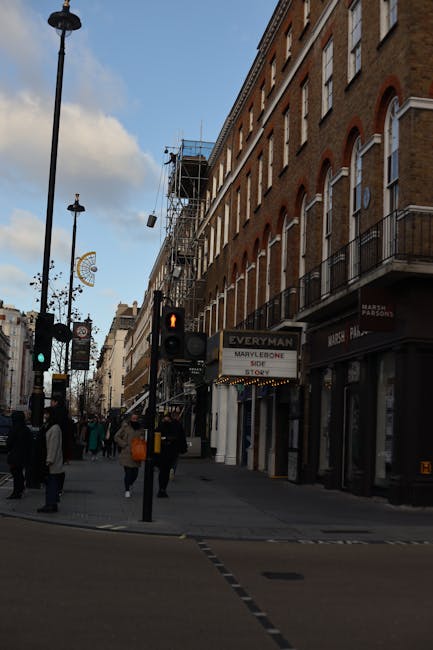
W1U and W1G cover some of the most characterful parts of Central Marylebone, and that character matters when you are moving. The area mixes mansion blocks, converted period properties, compact mews-style streets, offices, retail spaces, and high-value residential buildings. That variety is lovely to live in, but it also means moving day can be very different from a suburban house move with a driveway and plenty of space.
In practical terms, these postcodes demand a more careful removals plan because access is often limited. Vans may need to pause in narrow streets, lift access may need booking, and timing can matter more than people expect. One poorly timed arrival can mean circling the block, losing the best parking spot, and then starting the move already behind schedule. No one wants that at 8:15 on a weekday morning.
It also matters because Marylebone residents often need a move that balances speed with discretion. Some households want minimal disruption. Some landlords or managing agents are strict about lift protection, loading bays, and time slots. Some clients need a man with a van service for a lighter load, while others need a fuller overview of removal services to manage a complete property move.
To be fair, the postcode itself is only part of the story. What really shapes the move is the type of building, the street layout, and the amount of furniture you are moving. That is why a local approach tends to work better here than a one-size-fits-all assumption.
How W1U & W1G Postcodes: Removals Tips for Central Marylebone Works
The moving process in W1U and W1G usually starts before the van turns up. The best moves are the ones where access, packing, and timing have already been thought through. In other words, the move begins on paper, not on the pavement.
Here is the basic flow:
- Assess access. Check the street width, parking options, lift availability, staircases, and any entry restrictions.
- Choose the right service. A flat move, office move, or smaller load may call for a different setup. If you are unsure, review removal services in Marylebone or the more specific flat removals Marylebone page.
- Pack by priority. Essentials, fragile items, and furniture that needs disassembly should be identified early.
- Book the move window. In central London, mid-morning or early afternoon can sometimes be calmer than the rush around school runs and commuter traffic. Not always, but often enough to matter.
- Load efficiently. Good loading saves trips, protects items, and keeps the schedule realistic.
- Unpack in stages. Put the essentials into the right room first, then tackle the rest. Your future self will thank you.
The most important thing to understand is that removals in this part of Marylebone are rarely just about transport. They are about coordination. If you have a building manager, concierge, permit needs, or a strict move-out deadline, those details should sit at the centre of the plan.
For some readers, a good starting point is to compare local providers through removal companies in Marylebone and check service depth, flexibility, and handling options before making a call.
Key Benefits and Practical Advantages
A well-planned move in W1U or W1G brings more than convenience. It reduces risk, saves time, and makes the whole day feel a bit less like controlled chaos. Which, let's face it, is the goal.
- Less downtime: Good planning means less waiting around for parking, lifts, or last-minute packing.
- Lower damage risk: Proper wrapping and sequencing reduces knocks, scratches, and awkward carrying.
- Better use of labour: A well-organised move lets the team focus on lifting and transporting, not working out what box goes where.
- More predictable costs: When access, volume, and timing are clear, quotes tend to be more accurate. See also pricing and quotes and man with van rates.
- Less disruption to neighbours: A tidy, well-run move is simply easier on everyone in a shared building or narrow street.
There is also a quieter benefit that people overlook: confidence. When you know the van is the right size, the boxes are labelled properly, and the route makes sense, the day feels manageable rather than rushed. That matters more than people admit.
If your move is part of a bigger property change, it can help to read around the local market too. For example, if you are selling before relocating, the guidance on selling strategies for Marylebone homes gives a useful sense of how presentation and timing affect the move-out process.
Who This Is For and When It Makes Sense
This advice is useful for anyone moving within or into Central Marylebone, but it is especially relevant for a few groups.
- Flat movers: People leaving or arriving in apartments, mansion blocks, or converted buildings with stairs and shared entrances.
- Homeowners: Families or couples moving between townhouses, mews properties, or larger residences.
- Office teams: Small businesses needing a structured handover with limited downtime. A dedicated office removals service may be the better fit here.
- Students and short-term residents: Anyone with a tighter budget, fewer items, or a hard date deadline. Student removals in Marylebone can be a practical option.
- Anyone on a schedule: If tenancy dates, exchange dates, or concierge rules are fixed, you need a move plan with little wiggle room.
It also makes sense for people who have one or two awkward items rather than an entire house. A piano, for instance, changes the whole conversation. So does a large sofa that needs turning on a narrow stair landing. For those kinds of items, see furniture removals and piano removals.
Truth be told, if you are wondering whether the job is "too small" or "too complicated" for a local mover, it usually isn't worth guessing. A quick conversation tends to clear it up fast.
Step-by-Step Guidance
If you want a move that feels controlled rather than frantic, work through the process in stages. The sequence below suits most Marylebone moves and is especially helpful in W1U and W1G, where access issues can snowball if ignored.
1. Survey the property properly
Walk through the property and note the practical details: stairs, lift size, doorway widths, basement access, and whether anything needs disassembling. A quick glance is not enough. Measure the awkward bits. Write it down. Sounds obvious, but people forget under pressure.
2. Confirm building rules early
Speak to the managing agent, porter, or landlord if there is one. Ask about lift bookings, service entrances, floor protection, move time slots, and whether the team must sign in. In central London buildings, these details can be more important than the box count.
3. Sort and declutter before packing
Move day is a bad time to decide whether you still need three spare lamp shades from 2019. Separate keep, donate, recycle, and dispose items in advance. If you want to reduce waste responsibly, the company's recycling and sustainability information is worth a look.
4. Choose packing materials that suit the load
Small heavy items need sturdy small boxes. Lightweight bulky items may need larger boxes but should not be overfilled. Fragile items need wrapping, cushioning, and a clearly marked orientation. If you need help gathering the right materials, the packing and boxes page can help you plan ahead.
5. Label rooms clearly
Use simple labels like "kitchen essentials," "master bedroom," or "study." Avoid vague notes like "misc." because, after a long morning, everyone's idea of misc is slightly different. Colour coding can help, but only if you will actually remember it later.
6. Book the right vehicle and crew size
A smaller load may suit a man and a van in Marylebone, while a full home may need a larger van or a broader package. The key is matching vehicle size to access and volume rather than simply going with the cheapest-looking option.
7. Plan loading order
Load the van in a way that protects fragile items and reduces reshuffling. Heavy items first, awkward items secured properly, and essentials accessible. This is one of those things that sounds minor until you need the kettle at the other end and it has somehow ended up behind a wardrobe.
8. Keep the first-night essentials separate
Set aside chargers, toiletries, medication, keys, documents, a few mugs, and basic bedding. If your move is later in the day, this kit becomes more valuable than you'd think. A proper first-night bag takes the sting out of unpacking fatigue.
Expert Tips for Better Results
Here are the practical touches that often separate a smooth Marylebone move from a difficult one.
- Book around traffic patterns: Central London traffic is never fully predictable, but timing your load-in to avoid the most congested periods can help.
- Protect shared spaces: In apartment blocks, floor runners and corner protection can prevent complaints and reduce accidental marks. That is not just politeness; it avoids hassle later.
- Disassemble early: Beds, tables, and some shelving units should come apart before move day if possible. Leaving it until the last minute is how stress multiplies.
- Keep pathways clear: A cluttered hallway or lobby slows everything down and can be a trip hazard.
- Use one point of contact: On move day, it helps if one person is responsible for decisions. Otherwise everyone starts answering questions, and nothing really gets answered.
- Ask for a quote that reflects reality: If access is tight or there are multiple flights of stairs, the quote should reflect that. A cheap estimate that ignores the real site can become an expensive lesson.
For people who want a little more confidence before booking, browsing the man with a van service and the related removal van page can help you understand how the vehicle and labour options fit together.
And yes, sometimes the best tip is boring: start earlier than you think you need to. It sounds unglamorous. It works.

Common Mistakes to Avoid
Most moving problems in W1U and W1G are avoidable. The issue is usually not bad luck; it is missing one small but crucial detail.
- Assuming parking will sort itself out: In Marylebone, parking is not a side note. It is part of the job.
- Underestimating stair access: A top-floor flat can turn a "small move" into a physically demanding one.
- Packing too late: Last-minute box filling tends to produce breakages, lost items, and crossed wires.
- Not checking building restrictions: Some properties have specific moving hours, lift booking rules, or loading arrangements.
- Choosing the wrong service level: A basic transport option is not always enough if you need packing, dismantling, or storage.
- Leaving fragile items loose: A box of glassware should never rattle. If it rattles, it needs more padding.
- Forgetting storage: If completion dates, refurbishments, or tenancy dates do not line up, storage in Marylebone can bridge the gap neatly.
One common mistake is trying to save time by rushing the first hour. Oddly enough, that usually costs more time later. Not always, but enough to be worth saying.
Tools, Resources and Recommendations
You do not need a huge toolkit to move well in Marylebone, but you do need the right bits and pieces. Keep it practical.
- Strong boxes: Use decent-quality boxes sized for the items inside them.
- Packing paper and bubble wrap: Useful for glass, ceramics, and delicate electronics.
- Labels and marker pens: Simple, clear labels beat clever labels every time.
- Furniture covers: Helpful for sofas, mattresses, and wood surfaces during loading.
- Trolley or sack truck: Handy for heavier items where access allows.
- Toolkit: Screwdrivers, Allen keys, tape, and small bags for fixings.
- Calendar reminders: For booking lifts, notifying landlords, and confirming arrival windows.
If you are comparing how much support you really need, the broader services we provide page and the more detailed services overview can help you map out what is included before you book.
For local context beyond the move itself, you may also find living in Marylebone: the local view useful if you are settling into the area, or moving house on Marylebone High Street if your route or property is close to the busier central stretch.
Law, Compliance, Standards, or Best Practice
For most domestic moves, the main compliance points are practical rather than legal in a dramatic sense. That said, there are still standards and best practices worth taking seriously.
Parking and access: Check local parking rules, any loading restrictions, and whether permits or temporary arrangements are needed. The exact requirements depend on the street and the local authority area, so it is sensible to verify rather than assume.
Building rules: Many Marylebone buildings have their own moving policies. These may cover lift use, protective materials, booking windows, or insurer expectations. If the building manager has conditions, follow them. It keeps relationships calm and avoids delays.
Insurance and handling: Any reputable removals provider should be transparent about how items are handled and what protection is in place. If this matters to you, review the insurance and safety information and the company's health and safety policy.
Terms and payments: Before you commit, it is wise to check terms and conditions and payment and security details so there are no awkward surprises. Nothing glamorous about that, but it matters.
Waste and disposal: If you are discarding items, use sensible disposal routes and avoid leaving unwanted furniture in communal areas. Responsible disposal is simply part of good moving etiquette in central London.
For readers who value accountability, the business's pages such as complaints procedure, privacy policy, and accessibility statement are useful trust signals too. They show the kind of structure you want from a professional service provider.
Options, Methods, or Comparison Table
If you are deciding how to handle your move, it helps to compare the common approaches side by side. The right option depends on volume, access, budget, and how much lifting you want to take on yourself.
| Option | Best for | Strengths | Trade-offs |
|---|---|---|---|
| Man with a van | Small to medium loads, quick moves, tight schedules | Flexible, often cost-conscious, suited to central London access | May be less suitable for larger homes or heavily itemised moves |
| Full removals team | House moves, larger flats, more furniture, complex access | More support, faster loading, better for heavy items | Usually higher cost and more planning required |
| Self-managed move | Very small moves, low value loads, short distances | Maximum control, can suit simple situations | Time-consuming, physically demanding, higher risk of damage |
| Move with storage | Gap between dates, refurbishments, downsizing | Flexible timing, less pressure on move day | Extra coordination and storage costs |
If your move is in a flat or apartment, the flat removals service is often the most relevant fit. If it is a home with more furniture and rooms to manage, house removals in Marylebone may be the better match. No need to overcomplicate it.
Case Study or Real-World Example
Picture a fairly typical Marylebone move: a two-bedroom flat in W1G, third floor, shared entrance, no direct driveway, and a narrow street that fills up quickly in the morning. The resident has a sofa, a bed frame, several book boxes, kitchen equipment, and a few fragile items. Nothing extreme, but enough to need a sensible plan.
Instead of booking a van and hoping for the best, the move is broken into clear steps. The client checks with the building manager about lift booking. They pack fragile items two days early. They label boxes by room. A small furniture set is dismantled the night before. The van arrives in the agreed window, and the team loads in an order that keeps the largest items secure and the delicate ones protected.
What made the difference? Not one big clever trick. Just a stack of good decisions. Access checked. Boxes ready. Timing agreed. The move still had the usual little moments - a missing screwdriver, a box that was heavier than expected, that one moment where everyone pauses to figure out the mattress angle - but it stayed controlled. And that is usually what people want in central Marylebone: controlled, calm, done.
For a similar level of local planning insight, the article on capturing Marylebone's beauty and charm is not a removals guide, but it does reflect the area's streetscape and why moving here often needs a more thoughtful approach.
Practical Checklist
Use this checklist in the final week before your move. It keeps the important stuff front and centre.
- Confirm move date, access window, and arrival time.
- Check parking or loading arrangements for the property and street.
- Notify the building manager, concierge, or landlord if required.
- Measure doorways, stairs, and lift dimensions for large furniture.
- Separate items for packing, storage, donation, and disposal.
- Pack and label rooms clearly.
- Keep fragile items and valuables packed with extra care.
- Dismantle furniture that will not fit through tight access points.
- Prepare a first-night box with essentials.
- Check your chosen service, quote, and payment terms.
- Set aside keys, documents, chargers, and medication.
- Make sure the old and new addresses are ready for any deliveries or utilities.
Quick expert summary: In W1U and W1G, the best removals results come from treating access as the main job, not an afterthought. Once the parking, timing, and packing are under control, the move becomes much easier to manage.
If you are still deciding between service types, or you want help matching your property to the right moving setup, it is worth speaking directly with the team through the contact page. A short conversation can save a lot of guesswork later.
Get a free quote today and see how much you can save.
Conclusion
Moving in the W1U and W1G postcodes is very doable, but it rewards people who plan properly. Marylebone is elegant, central, and wonderfully convenient, yet it also comes with the sort of practical constraints that can catch people out if they are expecting an easy suburban-style move. Narrow streets, controlled access, building rules, and mixed property types all shape the day.
The good news? Once you understand the local pattern, the rest becomes far more manageable. Choose the right service, pack with intention, check the access details, and keep your first-night essentials close. That alone puts you well ahead of the average moving experience.
And if it helps, think of it this way: a move here is less about brute force and more about good judgement. A little preparation goes a long way. Honestly, it really does.