How to Move Bulky Furniture in Marylebone Flats Without Damage
Posted on 17/06/2026
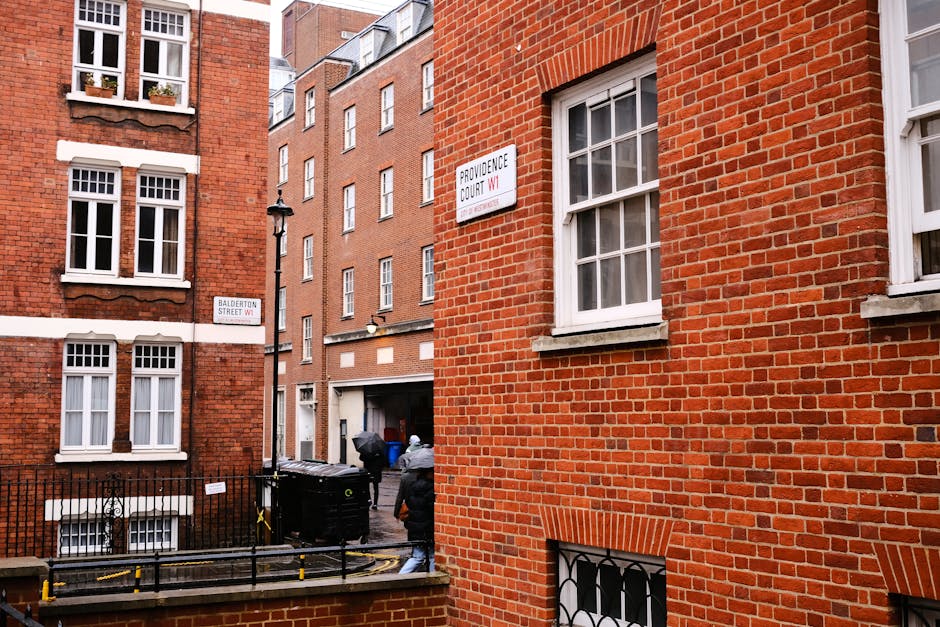
Moving a heavy sofa down a narrow Marylebone staircase, turning a wardrobe around a tight landing, or getting a dining table through a Victorian front door can feel oddly similar to a puzzle you never asked for. And in Marylebone flats, that puzzle is often made trickier by period layouts, shared entrances, parking limits, and neighbours who would very much prefer you not scratch the hall wall at 8 a.m.
This guide on How to Move Bulky Furniture in Marylebone Flats Without Damage is built for real life, not theory. You will find practical steps, common pitfalls, sensible equipment choices, and the kind of local awareness that saves time, stress, and expensive repair work. Whether you are moving one awkward item or a whole flat's worth of furniture, the goal is the same: protect the furniture, protect the property, and keep the move calm enough that you can still laugh about it afterwards. Well, maybe after.
For readers planning a wider move, it can also help to look at the bigger picture early. If you are arranging a full flat relocation or need careful handling for mixed household items, a service overview such as man and van services can be useful context while you decide what level of help you need.
Why How to Move Bulky Furniture in Marylebone Flats Without Damage Matters
Bulky furniture is less forgiving than people expect. One awkward pivot can chip a doorframe, snap a leg, dent a wall, or leave a deep scratch across polished wood flooring. In Marylebone, where flats often come with narrower hallways, compact staircases, and old building features, those risks rise quickly. It is not just about heavy lifting; it is about geometry, surfaces, and timing.
The phrase without damage matters because the damage is not always dramatic. A tiny scuff on a painted bannister, a rubbed corner on a sofa arm, or a cracked side panel in transit can be enough to ruin the look or usefulness of a piece. And once the move is done, fixing that sort of thing can be slower and more expensive than the move itself. Truth be told, the cheapest move is usually the one where nothing gets broken.
There is also the practical side of shared living. Flats in Marylebone may have neighbours close by, and that means noise, stairwell access, and hallway protection all matter. A controlled approach helps you stay courteous, avoid complaints, and keep the whole day moving smoothly. Nobody wants to carry a wardrobe while apologising to three different households at once.
If your move involves furniture that is oversized, fragile, or part of a larger household move, it is worth thinking about whether specialist handling is more sensible than a DIY attempt. For example, if you are also moving office equipment, delicate shelving, or high-value items, it may be useful to understand the scope of household removals or even commercial movers if the move includes mixed property.
How How to Move Bulky Furniture in Marylebone Flats Without Damage Works
At its core, the process is simple: assess the item, measure the route, protect the property, secure the furniture, and move it with controlled handling rather than brute strength. The tricky part is that each stage depends on the one before it. If the route is not measured properly, even the best lifting technique will not save you. If the item is not protected, the first bump may leave a mark. If the path is cluttered, everyone ends up improvising. And improvising with a wardrobe is rarely a good plan.
In practice, the job usually breaks into four stages:
- Planning: checking dimensions, access points, turning space, and parking or loading restrictions.
- Preparation: removing detachable parts, wrapping vulnerable surfaces, and clearing the route.
- Movement: using the right number of people, lifting method, and equipment for the item.
- Protection and placement: making sure the item arrives intact and is set down safely without damaging floors or walls.
That sequence sounds straightforward, but it saves a huge amount of trouble. For instance, many bulky items are not actually too big for the flat; they are too awkward for the stair turn, the front door angle, or the narrow gap between a radiator and a banister. A quick visual check can solve what brute force cannot. To be fair, that is where a lot of the skill lies: knowing when to keep going and when to rethink the route entirely.
Professionals doing furniture removals usually treat the move like a controlled manoeuvre rather than a lifting contest. That mindset is what protects both the item and the building. It is calm. Methodical. Slightly unglamorous, but very effective.
Key Benefits and Practical Advantages
There are several clear advantages to moving bulky furniture carefully rather than quickly. The most obvious one is avoiding damage, but the benefits go a bit further than that.
- Lower repair costs: scratches, chips, and crushed corners can become expensive very quickly.
- Less stress: a planned move feels more manageable, even when the item is awkward.
- Better property protection: walls, doors, stairs, and flooring stay in better condition.
- Safer handling: reducing strain and awkward lifting lowers the chance of injury.
- Faster completion: when the route and equipment are sorted, the move tends to go more smoothly.
- Better neighbour relations: less noise, less obstruction, fewer apologies in the hallway.
There is also a less visible benefit: confidence. Once you know how to approach a large item properly, the whole move feels less intimidating. A heavy sofa stops looking like a disaster waiting to happen and starts looking like an object with dimensions, corners, and a route. That shift alone makes a difference.
If you are comparing service options or trying to decide whether help is worth it, think about the value of the item itself, the condition of the building, and the likely cost of mistakes. A single damaged staircase wall in a Marylebone flat can be far more annoying than the fee for careful help. Not always, but often enough to matter.
Who This Is For and When It Makes Sense
This approach is useful for anyone moving bulky furniture in a flat with limited access. That includes tenants, landlords, homeowners, interior designers arranging deliveries, and anyone managing a last-minute flat swap in central London. It is especially relevant where the building is older, the staircase is tight, or the furniture is not easy to dismantle.
It makes sense when you are dealing with items such as:
- large sofas or corner sofas
- double or king-size beds and frames
- wardrobes and wardrobes with mirrored doors
- dining tables and heavy wooden sideboards
- bookshelves and display cabinets
- white goods like fridges or washing machines
- marble-top or glass-top furniture
It also matters if you are moving within the same building. People sometimes assume that because the distance is short, the job is simple. It is not. A short move can still be awkward if a large item has to go around a tight landing or through a narrow communal doorway. Sometimes the five-metre move is the most annoying one of the lot.
If the item has sentimental value, a delicate finish, or a high resale cost, careful handling becomes even more important. A scratch on a cheap shelf is irritating; a crack in a family dining table is something else entirely.
Step-by-Step Guidance
Here is a practical way to handle bulky furniture in a Marylebone flat without damage. The aim is not theatrical precision. It is controlled, sensible progress.
1. Measure everything before you move a single thing
Measure the item at its widest, tallest, and deepest points. Then measure doorways, hallways, stair landings, lifts if available, and any awkward bends. Do not guess. Guessing is how people end up turning a sofa on its side in a doorway while everybody suddenly becomes very quiet.
Remember to include handles, feet, armrests, and anything detachable that still adds width. A piece may fit on paper but fail at the first bend because of a protruding leg or fixed handle.
2. Clear the route properly
Remove shoes, mats, side tables, framed pictures, bins, and anything else that narrows the path. Open doors fully if possible. If you are moving through a communal area, keep the route free and avoid leaving items where someone might trip. This is one of those boring jobs that makes the rest of the move far easier.
3. Protect the property first, not after the fact
Use floor coverings, furniture blankets, and protective wrapping on sharp corners or fragile surfaces. Pay special attention to the edges of doors, bannisters, and painted walls. A folded blanket can be surprisingly effective if placed well, though proper padding is better when the furniture is valuable or awkward.
4. Strip down what you safely can
Remove cushions, shelves, removable legs, drawers, and loose fittings. Bag screws and small parts together and label them. If the item can be partly dismantled without risk, do it. Smaller pieces are easier to carry, less likely to snag, and less likely to tilt unexpectedly on the stairs.
5. Decide the carrying method before lifting
Some items need two people, some need three, and a few need specialist kit. Agree on who leads, who follows, and who gives instructions. One person should call the pace. That small bit of organisation makes the difference between a controlled turn and a messy shuffle.
6. Lift with the route in mind
Keep the item as stable as possible and use your legs rather than your back. For stairs, move slowly and pause at landings. On turns, tilt only as much as you need to clear the edge. If you feel the item twisting, stop and reset rather than forcing it through. Honestly, a ten-second pause is far better than a cracked cabinet.
7. Use the right tools for awkward shapes
For very heavy or bulky furniture, tools such as lifting straps, dollies, sliders, and corner protectors can reduce strain and prevent scuffing. But tools are only useful when matched to the item and the route. A dolly is no help if the landing is too tight for it to turn. That sort of thing happens more often than people expect.
8. Set the item down carefully and inspect it
Once the furniture reaches its new position, check for chips, scuffs, loose joints, and trapped fabric. Then inspect door frames, walls, and flooring as well. A quick look at the end can save arguments later, particularly in rented flats where deposit protection matters.
Expert Tips for Better Results
The best moving work is often the work nobody notices. It just looks easy because the planning was done properly. A few small decisions can save a lot of bother.
- Move at the quietest time possible: early afternoon is often easier than busy morning hours, especially in shared buildings.
- Use better lighting: stairwells and hall corners can hide surprising obstacles in dim light.
- Test the route with a hand first: if your fingers can barely clear a gap, the furniture probably will not either.
- Protect corners twice: corners are where most accidental bumps happen.
- Keep a second pair of hands free: someone to open doors or guide a turn is worth their weight in tea.
- Do not rush the final turn: the last corner is where people often get overconfident.
One small but useful habit is to pause before every tricky turn and say out loud what is happening next. It sounds almost too simple, but it keeps everyone aligned. When three people are moving a wardrobe through a tight gap, vague confidence is not the same as coordination.
Also, if a piece looks too large for the route, trust that instinct early. The most experienced movers are not the ones who force everything through. They are the ones who recognise when a piece should be rotated, partly dismantled, or carried a different way.

Common Mistakes to Avoid
Most damage during furniture moves comes from a handful of avoidable mistakes. Knowing them in advance makes the whole job easier.
- Skipping measurements: people often assume a sofa that fits through one door will fit through every one.
- Leaving the route cluttered: one loose item on the floor can throw off balance at exactly the wrong moment.
- Underestimating weight: bulky does not always mean heavy, but many bulky items are far heavier than they look.
- Dragging instead of lifting: this can ruin floors and weaken furniture legs.
- Not protecting sharp edges: even a small metal foot can gouge a wall.
- Forcing a turn: if it does not fit cleanly, stop and rethink it.
- Ignoring the building: old plaster, slim stair rails, and narrow entrance halls need more care than modern open-plan layouts.
Another common mistake is assuming that a piece can be moved in one continuous motion. Sometimes it cannot. A proper move is a series of small, controlled adjustments. A stop, a tilt, a reset. A bit awkward? Yes. But awkward is better than broken.
Tools, Resources and Recommendations
You do not need a warehouse full of equipment to move bulky furniture well. You do need the right basics, used properly.
| Tool or Material | What it helps with | Best use case |
|---|---|---|
| Furniture blankets | Protecting surfaces from scratches and dents | Sofas, wardrobes, tables, cabinets |
| Corner protectors | Shielding sharp edges during turns | Door frames, polished furniture, stair corners |
| Lifting straps | Sharing load between movers | Heavy items with enough clearance |
| Furniture sliders | Reducing friction on smooth floors | Short repositioning inside the flat |
| Dolly or sack truck | Helping move heavier items over flatter routes | Short hallways, lifts, loading areas |
| Tools for dismantling | Removing legs, shelves, or fittings | Furniture designed to come apart safely |
For many flat moves, soft protection matters just as much as heavy lifting gear. Blankets, tape used carefully, and floor protection are often the unsung heroes. A load may only need a little cushioning in the right place to prevent a nasty mark.
If the move is part of a larger relocation, it can help to compare the practical side of different move types. For instance, some people need student moves for lighter loads, while others need more structured support for larger household pieces. The right setup depends on volume, access, and how precious the items are.
In our experience, the best results come from keeping the toolkit simple and the planning thorough. Fancy kit is fine, but a careful route plan and enough hands often matter more.
Law, Compliance, Standards, or Best Practice
For furniture moving in Marylebone flats, the main compliance concerns are usually practical rather than complex legal issues. That said, a few standards and expectations are worth keeping in mind.
First, if you live in a rented flat or leasehold property, check any building rules about access, lift use, loading bays, and moving hours. Communal areas often need to stay clear, and some buildings expect movers to protect walls and floors. Exact arrangements vary, so it is sensible to confirm them before moving day.
Second, if you are moving items in a shared stairwell or common hallway, keeping the route safe and unobstructed is a basic duty of care. It is simple good practice. Nobody wants a box left where someone can trip over it while carrying shopping.
Third, if professional movers are handling the job, they should be using equipment and methods suited to the item and access conditions. That includes safe manual handling, sensible lifting technique, and suitable protection for the property. If something feels unsafe, it probably is.
Finally, insurance matters. You do not need to understand every detail, but it is wise to know whether the mover's cover addresses accidental damage during handling and transit. That is not being fussy; it is being sensible. A little clarity upfront can prevent a very awkward conversation later.
Options, Methods, and Comparison
Not every bulky item needs the same approach. Here is a simple comparison of common methods.
| Method | Best for | Advantages | Limitations |
|---|---|---|---|
| DIY with two or three people | Moderately heavy furniture and short routes | Flexible, lower immediate cost | Higher risk if access is tight or the item is awkward |
| DIY with basic moving equipment | Flat moves with clear access | Better control and less strain | Still depends on user experience and route planning |
| Professional handling | Large, valuable, or difficult items | More efficient, safer in tight spaces | Costs more than doing it yourself |
| Partial dismantling before moving | Oversized furniture that can be broken down safely | Easier turning and less chance of scraping | Requires tools, patience, and reassembly time |
The right choice depends on access, item value, and how much risk you are comfortable with. A simple chest of drawers on a ground-floor flat is one thing. A solid wardrobe in a top-floor Marylebone conversion with a narrow stairwell is another entirely.
Sometimes the wisest option is a mixed approach: dismantle what you can, protect everything else, and bring in help for the most difficult item only. That can be a neat compromise, and it often saves both money and hassle.
Case Study or Real-World Example
A fairly typical Marylebone scenario goes like this. A client needs to move a large oak wardrobe from a one-bedroom flat to another property a few streets away. The building has a slim entrance hall, a curved staircase, and a landing that narrows at the top. On paper, the wardrobe is only just manageable. In real life, it is the sort of item that makes everyone stand still and think for a second.
The practical solution was to remove the doors, shelves, and base fittings first, wrap the panels separately, and protect every corner before carrying anything. One person handled the route, another supported the weight, and a third kept the doors open and the path clear. The wardrobe then moved in sections rather than as one rigid block. No wall marks, no cracked trim, no dramatic sighs halfway up the stairs. A small victory, but a satisfying one.
That is the real lesson here: bulky furniture rarely fails because it is too heavy alone. It fails because people try to move it in the wrong shape, at the wrong angle, without enough planning. Break the problem down, and the whole thing becomes much more manageable.
Practical Checklist
Use this quick checklist before you start. It keeps the process grounded and cuts down on those last-minute surprises.
- Measure the furniture and all access points
- Check for narrow turns, low ceilings, and awkward landings
- Clear hallways, doors, and stairs
- Protect walls, floors, and furniture edges
- Remove detachable parts where safe
- Label screws, fittings, and loose pieces
- Confirm how many people are needed to lift safely
- Decide which tools or moving aids are required
- Check building rules, lift access, and moving times
- Plan where the item will be placed at the destination
- Inspect for damage after moving
Expert summary: the safest way to move bulky furniture in Marylebone flats is usually not the strongest one, but the most prepared one. Measure carefully, protect surfaces early, and do not force a turn that clearly does not want to happen.
Conclusion
Moving bulky furniture in a Marylebone flat does not need to be a chaos-filled ordeal. With the right preparation, sensible tools, and a calm approach, you can get large items through tight spaces without damaging the furniture or the property. The work is in the planning, really. The lifting is just the visible part.
Whether you are handling a single heavy piece or coordinating a full flat move, remember the basics: measure first, clear the route, protect every vulnerable surface, and choose the method that matches the space rather than the item's weight alone. That is how you avoid those painful little mistakes that cost time and money.
If you want a move that feels properly organised from the start, speak to a team that understands tight London access, careful handling, and the realities of moving in older flats.
Get a free quote today and see how much you can save.
And if there is one thing worth carrying forward, it is this: a careful move always feels lighter by the end.