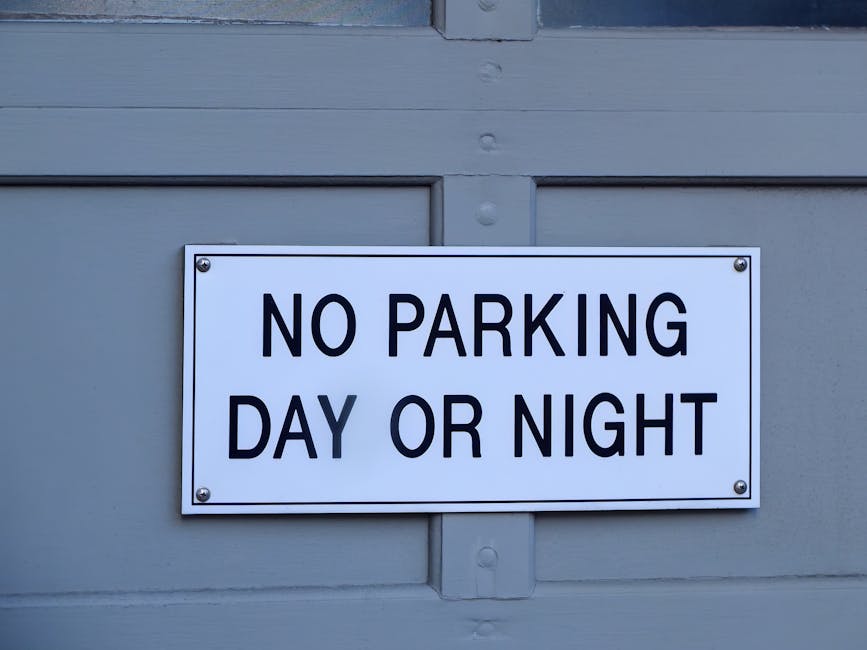
Avoid Congestion Fines: Parking Rules for Marylebone Moves
Moving in Marylebone can feel straightforward right up until the van arrives and the street suddenly looks a lot narrower than it did on the viewing day. Bays are tight, traffic moves quickly, and one rushed decision about where to stop can turn into a parking penalty or a congestion-related headache. If you are trying to avoid congestion fines and keep your move calm, the parking rules for Marylebone moves matter more than most people expect.
This guide breaks everything down in plain English: where the risk usually comes from, how to plan around local restrictions, what a careful loading setup looks like, and how to keep your move efficient without attracting unwanted attention from enforcement cameras or civil enforcement officers. It is practical, local, and designed for people who want the job done properly the first time.
For a smoother moving day, it also helps to understand the wider service options available, from man and van support in Marylebone to home moves, flat removals, and office removals. Those services matter because parking strategy is not just about the street. It is part of the whole move plan.
Table of Contents
- Why Avoid Congestion Fines: Parking Rules for Marylebone Moves Matters
- How Avoid Congestion Fines: Parking Rules for Marylebone Moves Works
- Key Benefits and Practical Advantages
- Who This Is For and When It Makes Sense
- Step-by-Step Guidance
- Expert Tips for Better Results
- Common Mistakes to Avoid
- Tools, Resources and Recommendations
- Law, Compliance, Standards, or Best Practice
- Options, Methods, or Comparison Table
- Case Study or Real-World Example
- Practical Checklist
- Conclusion
- Frequently Asked Questions
Why Avoid Congestion Fines: Parking Rules for Marylebone Moves Matters
Marylebone is one of those London areas where parking can look simple in theory and become awkward in practice. You may have a loading bay, a pay-and-display space, a yellow line, a resident-only restriction, a private access road, or a street where stopping is possible for only a short window. The real issue is that moving day compresses everything: arrival times, lift access, keys, loading speed, and traffic flow all happen at once.
That is why parking rules are not a side issue. They shape the whole move. A van parked badly can block traffic, delay the job, create stress for neighbours, and expose you to fines that cost far more than a bit of planning would have done. Truth be told, many moving problems in central London start with the same sentence: "We'll just stop here for a minute."
Getting this right also protects the move team and your belongings. If a vehicle has to be moved repeatedly or parked a long way away, handling becomes slower and more tiring. Boxes get wet if it starts raining, fragile items get carried longer than planned, and timing slips. In a busy area like Marylebone, even ten minutes can make a difference.
There is also a commercial side to it. If you are comparing removal services or deciding whether you need a removal van or a larger vehicle such as a removal truck hire option, parking constraints can influence the best choice. Bigger is not always better. Sometimes the smaller, nimbler option is the sensible one.
How Avoid Congestion Fines: Parking Rules for Marylebone Moves Works
The basic idea is simple: before moving day, you work out where the van can legally stop, how long it can stay there, whether loading is permitted, and whether the route in and out is realistic for the vehicle size. The actual execution takes a bit more care.
First, you need to separate three things that people often bundle together:
- Council parking restrictions, such as residents' bays, pay-and-display bays, and yellow line restrictions.
- Loading and unloading rules, which may allow short stops in some places but not others.
- Congestion-related conditions, where a vehicle's movement through central London may affect the overall cost or timing of the move.
Even if the moving team is only stopping briefly, the stop still has to fit the local rules. This is where many people go wrong. They assume a van can pause anywhere if the driver remains with it. Not necessarily. In some places, standing restrictions apply very quickly and cameras do not care that you are carrying a sofa up three flights of stairs.
A practical Marylebone move usually starts with a street-by-street plan. You work out the closest legal stopping point, confirm building access, check if there is a service entrance, and decide whether the van should arrive first or after the client has prepared the property. For flats, the best setup is often to have everything ready at the door before the vehicle arrives. That reduces dwell time, which is one of the easiest ways to avoid trouble.
When the move is more complex, especially for larger homes or business relocations, the right vehicle and method matter. A man with van setup can be ideal for compact streets and shorter loading windows, while house removals or commercial moves may need a more structured approach. The vehicle choice should fit both the load and the street, not just the volume of items.
Key Benefits and Practical Advantages
Parking planning may sound like admin, but it creates very real benefits on moving day. The obvious one is avoiding fines. The less obvious ones are often just as valuable.
- Less stress: If parking is planned, the move starts with calm rather than guesswork.
- Faster loading: Shorter carry distances mean quicker, tidier work.
- Lower risk of damage: Items are carried fewer times and over shorter distances.
- Better neighbour relations: A tidy, efficient loading plan is less disruptive.
- More accurate timing: When parking is sorted, your schedule becomes more realistic.
There is also a financial upside beyond avoiding penalties. A smooth parking setup can reduce labour time, especially for moves involving multiple trips, narrow stairwells, or awkward furniture. If you are booking packing and unpacking services as well, efficient parking helps keep the whole chain moving, from the first box to the last lamp.
One small but useful benefit is confidence. You feel it immediately when a plan is clear. The driver knows where to stop, the team knows where to carry from, and you do not spend the day looking out of the window wondering whether someone is about to slap a ticket on the windscreen. Nobody needs that kind of excitement.
Who This Is For and When It Makes Sense
This topic is relevant for almost anyone moving in or around Marylebone, but some people benefit from it more than others.
Home movers need it when they are shifting between flats, maisonettes, or townhouse-style properties where kerbside access is limited. If you are using home moves or house removalists, parking can decide whether the job feels smooth or chaotic.
Flat movers often face the hardest access issues because there may be no driveway, no private forecourt, and very little time to load before blocking the pavement or road. That is why flat removals benefit so much from a proper parking plan.
Office movers need particular care because business premises can have delivery windows, building management rules, and customer traffic to think about. If that sounds familiar, office relocation services and office removals are usually best handled with an agreed timetable and a clear loading point.
Students and short-term renters also benefit. Student moves often happen quickly, at awkward times, with a few big bags, boxes, and maybe a desk chair that somehow became heavier on the day. Student removals tend to be less about volume and more about speed, which makes parking planning even more important.
Anyone booking same-day help should pay close attention too. If you need same-day removals, there is less time to improvise. Parking needs to be sorted before the vehicle turns the corner.
Step-by-Step Guidance
Here is a straightforward way to plan the parking side of a Marylebone move without making it feel like a puzzle.
- Check the exact address and street layout. Look at where the property sits, whether there is a mews, a side road, or a narrow access point, and whether the building has a loading entrance.
- Identify legal stopping options. Think about loading bays, permitted waiting areas, and any restrictions that may apply at the time of day you are moving.
- Match the vehicle to the street. A bigger lorry may be practical for volume, but a smaller van can sometimes save time and reduce parking pressure.
- Plan the arrival window carefully. You want the vehicle to arrive when you are ready to load, not when everyone is still carrying the last mug downstairs.
- Prepare items before the van gets there. Boxes stacked, furniture wrapped, and doors propped safely open can shave minutes off the stop.
- Keep the driver informed. If the legal stopping place is a little way from the building, say so early. No one likes a last-minute scramble around the block.
- Watch the clock during the stop. Shorter loading times are safer in busy streets. If the move is taking longer than planned, adjust quickly.
A good mover will usually build this into the plan from the start. If you are comparing providers, it can be sensible to look at removal companies and see how carefully they discuss access, timing, and local parking conditions. The detail tells you a lot.
Expert Tips for Better Results
After enough moving days, certain habits start to stand out. They are not glamorous, but they work.
1. Build in five to ten minutes of buffer time. Parking in Marylebone can look available and then disappear fast. A buffer helps if another vehicle is using the bay or if the route is briefly blocked.
2. Keep fragile items separate from the main loading flow. If the van is parked a bit further away than expected, you do not want delicate items travelling back and forth more than necessary.
3. Use the smallest practical vehicle for the street. That does not mean the smallest possible vehicle. It means the one that can access the property without creating extra parking risk. Sometimes a medium van is the sweet spot.
4. Don't assume Sundays are automatically easy. Some people think weekend moving solves everything. Often it helps, but access and parking can still be awkward, and traffic patterns can be surprising first thing in the morning.
5. Coordinate with building staff or neighbours where relevant. If there is a concierge, porter, or building manager, it helps to let them know the moving window. A quick conversation can prevent a lot of noise later.
And one more thing: keep the paperwork handy. If there is any confirmation relating to access, booking, or vehicle arrival, have it accessible. Not because someone will always ask, but because when they do, it is never when you have a free hand.
Common Mistakes to Avoid
Most parking mistakes are entirely avoidable. That is the annoying part. But it also means you can sidestep them with a little discipline.
- Leaving parking until the day itself. This is the big one. Once the van is outside, your options are far narrower.
- Assuming a quick stop is always allowed. Quick does not always mean legal.
- Forgetting vehicle size. A large van may fit the load but not the street.
- Ignoring lift, stair, or hallway delays. Parking needs to reflect the speed of the building, not just the road.
- Blocking dropped kerbs or access points. Even momentary blocking can create problems and complaints.
- Not checking loading restrictions for the exact time window. A bay that is fine at one time may be restricted at another.
- Trying to save a tiny amount of time and losing a lot of money. It happens more often than people admit.
In practice, the most expensive mistakes are usually the ones made in a hurry. A move day has its own momentum. The kettle is packed, the sofa is halfway out, someone is asking where the keys are, and it feels tempting to "just get going." That's exactly when parking discipline matters most.
Tools, Resources and Recommendations
You do not need fancy tools to get parking right, but a few simple habits help enormously.
- A written move timeline: Include arrival time, access time, and expected loading duration.
- Street notes: Jot down where the vehicle can stop and where it should not.
- Building access details: Lift bookings, concierge instructions, and door codes should all be in one place.
- Inventory list: Knowing what is going first helps estimate loading time more realistically.
- Vehicle fit check: If you are hiring a moving truck or a smaller van, confirm the size against the street conditions.
It can also be worth thinking beyond the move itself. If you have items that will not fit immediately in the new place, storage can reduce pressure on the day and make loading more flexible. Similarly, if you are decluttering before the move, furniture removals or furniture pick up can clear unwanted items before the van arrives. Less clutter, less stress. Simple, really.
If you want a clearer picture of budgeting and what is included, the pricing and quotes page is a useful place to start. And because moving day involves valuable belongings, it is sensible to read up on insurance and safety alongside your parking plan.
Law, Compliance, Standards, or Best Practice
Moving in London sits inside a broader framework of parking rules, local restrictions, and everyday road safety expectations. You do not need to be a legal specialist to handle it well, but you do need to respect the basics.
Best practice usually means:
- parking only where stopping is permitted;
- keeping loading periods genuinely short and purposeful;
- avoiding obstruction of traffic, pavements, dropped kerbs, and entrances;
- checking restrictions for the exact time of day;
- making sure the driver understands the route, access point, and likely delays;
- treating neighbours and building users with respect.
There is also a straightforward duty of care angle. If you are organising a move, you want the work to be safe for the team, the public, and your belongings. That is where a provider with clear health and safety policy and a sensible terms and conditions page can give you extra reassurance.
One thing people sometimes overlook is environmental and operational responsibility. Efficient parking reduces unnecessary circling, idling, and repeated loading runs. That is good for time, yes, but also just cleaner practice all round. Small detail, big difference.
Options, Methods, or Comparison Table
Different moves need different parking approaches. There is no single magic solution, despite what a stressed moving-day voice in your head might say.
| Approach | Best for | Pros | Watch-outs |
|---|---|---|---|
| Street loading with a small van | Compact flat moves, quick pickups, light loads | Flexible, easier to place, often faster in narrow streets | May need multiple trips if the load is larger than expected |
| Planned loading bay use | Standard household or office moves with a clear bay nearby | Efficient, orderly, less pressure on the team | Needs timing discipline and accurate understanding of the bay rules |
| Larger removal vehicle | Bulkier house moves, furniture-heavy jobs, larger office relocations | Fewer trips, more capacity | Harder to park, harder to manoeuvre, can increase access risk |
| Split load with storage | Moves with timing gaps or uncertain delivery dates | Reduces same-day pressure and parking time on site | Needs extra coordination and careful labelling |
In plain terms, the best option is the one that fits both the building and the street. Not just the items. Not just the budget. Both.
Case Study or Real-World Example
Here is a realistic example. A couple moving from a first-floor flat near central Marylebone had a sofa, a bed frame, a dining table, several boxed kitchen items, and a couple of awkward plants they were very attached to. Their first instinct was to book the largest vehicle possible so they could "get it over with." Sensible in one way, but not ideal for the street.
Instead, they chose a smaller van, set a very clear loading window, and had all boxes ready in the hallway before the vehicle arrived. The driver used the nearest legal stopping point, the carry distance stayed manageable, and the entire load was moved efficiently without any parking drama. There was a brief moment where one box almost got re-taped with optimism rather than tape, but that is moving day for you.
The key lesson was not that they got lucky. It was that the parking plan matched the actual property. If they had gone with a bigger vehicle and left the load prep until the van arrived, the whole process would probably have taken longer, cost more, and created far more tension than necessary.
For larger or more specialised moves, the same principle still applies. A piano, for example, needs more than strong hands. It needs route planning, timing, and safe vehicle placement. That is why piano removals are never something to treat casually.
Practical Checklist
Use this before the van arrives. It is boring in the best possible way.
- Confirm the full moving address and access point.
- Check what parking or loading restrictions apply near the property.
- Decide where the vehicle will stop legally.
- Match the vehicle size to the street and the load.
- Prepare items for immediate loading.
- Keep stairs, hallways, and lifts clear.
- Make sure keys, codes, and contact numbers are ready.
- Allow buffer time for traffic or access delays.
- Tell neighbours or building staff if advance notice is helpful.
- Keep an eye on timing during the loading process.
- Have a plan for items that need storage or a second trip.
- Double-check the booking details before the move starts.
If you are still arranging the move itself, it can help to look at the wider service setup on the website, including removals, removal services, and home moves. The more coherent the plan, the less room there is for parking surprises.
Conclusion
Parking rules in Marylebone can feel fiddly, but they are manageable once you treat them as part of the move rather than an afterthought. If you choose the right vehicle, time the arrival properly, and understand where stopping is permitted, you greatly reduce the chance of fines, delays, and last-minute stress.
The real win is not just avoiding a penalty. It is the calm that comes from knowing the move has been thought through properly. That is worth a lot on a day when boxes are everywhere and the front door keeps swinging open.
When you combine good parking planning with the right moving support, the whole experience becomes easier to handle, even in a busy part of London. And honestly, that's what most people want: a move that works, without drama.
Get a free quote today and see how much you can save.
Frequently Asked Questions
Can I stop anywhere for a quick loading pause in Marylebone?
Not always. A quick pause is not automatically a legal one. You still need to check whether the road, bay, or line restriction allows loading at that time.
What is the safest way to avoid parking fines on moving day?
Plan the stopping point before the move, keep loading times short, and make sure the driver understands the local restrictions. That simple bit of preparation prevents most problems.
Do I need a larger van to make the move faster?
Not necessarily. In some Marylebone streets, a smaller van is actually quicker because it is easier to place legally and can get in and out more cleanly.
How far in advance should I sort the parking plan?
As early as possible. Ideally, parking should be considered when you first book the move, not on the morning itself.
Are weekend moves easier for parking in Marylebone?
Sometimes, but not always. Weekends can reduce some pressure, yet parking restrictions and traffic patterns still need checking.
What if the building access takes longer than expected?
Build in a time buffer. If access is slower than planned, the loading window can stretch, so it helps to have a little breathing room.
Should I book storage if parking is tight?
It can help in some cases, especially if the move is split over two days or you have more items than the access conditions can comfortably handle.
Is a man and van service suitable for Marylebone moves?
Yes, often very suitable. A man and van setup can work well in areas with narrow streets and tighter parking conditions.
What should I tell the mover before the job starts?
Share the exact address, any access restrictions, likely parking limitations, lift details, and anything that may slow loading down. A few honest details save a lot of guessing.
Can parking issues affect the total cost of the move?
They can, indirectly. Extra time, extra carrying distance, or vehicle changes can all affect the overall job. Clear parking planning usually keeps costs more predictable.
What if I am moving office rather than home?
Office moves often have tighter scheduling, building rules, and delivery windows. They benefit even more from parking planning and clear communication.
How do I know which service is right for my move?
It depends on the size of the load, the property type, and the street access. If in doubt, compare options such as flat removals, office removals, or student removals and choose the one that fits the reality of the day.
Whether your move is big, small, or somewhere in between, the best results usually come from the same habit: plan the boring bits properly. They are the bits that save you, after all.